
Exploring the Impact of Play-Based Learning on Education
Posted on January 18, 2026
We’ve all seen it, the moment a kid turns a cardboard tube into a telescope and suddenly the whole room is outer space. That’s not “just playing,” that’s a brain doing backflips in the happiest way possible. We’re here for it, fully.
School can get weirdly serious, even when the learners are tiny humans who still call every animal a puppy. When classrooms lean too hard on pressure, everybody feels it, kids, caregivers, and yes, teachers too.
So let’s talk about what changes when we treat play like the powerful, messy, creative engine it is. Not the cute extra. Not the Friday reward. The real deal.
When Play Becomes The Lesson, Not The Break
When we say Play-Based Learning, we’re talking about learning that’s built into the doing, not stapled on afterward. Kids explore, test, negotiate, and revise, all while they think they’re “just playing.” We love that little plot twist.
This approach shifts the whole vibe. Instead of chasing perfect answers, kids chase possibilities, and they don’t shut down when something flops. They try again because the goal feels like discovery, not compliance.
That’s where Education Impact gets interesting. Play changes what success looks like, and it changes who gets to feel successful. The quiet kid who hates worksheets might suddenly shine while building a wobble bridge that actually holds.
We’ve noticed adults relax too. When learning looks like curiosity, teachers can watch more and lecture less, which makes room for real observation.
It’s not about removing structure. It’s about building structure that invites invention, then letting kids surprise us inside it.
What Teachers Feel When The Room Finally Breathes
Teacher joy matters, and we don’t say that in a poster-on-the-wall way. Teacher Satisfaction rises when the classroom runs on engagement instead of constant correction, because nobody wants to spend a day playing behavior whack-a-mole.
Play-based spaces tend to lower Stress Levels for the grownups, not because teaching becomes easy, but because the energy shifts from policing to partnering. That’s a different kind of tired.
We’ve heard educators describe it as moving from managing to mentoring. They can listen for thinking, not just for quiet. They can respond to ideas, not only to disruptions.
Here are a few teacher-side wins we keep seeing in playful classrooms.
- More genuine student buy in
- Fewer power struggles over “right” answers
- More chances to notice strengths
- More laughter without losing focus
That ties neatly to Play-Based Learning Impact on Teacher Satisfaction, because when kids are meaningfully busy, teachers can actually teach, not just survive the hour.
Collaboration That’s Real, Not The Forced Group Project
Kids don’t automatically know how to work together, they learn it by bumping into each other’s ideas. Collaborative Learning shows up naturally in play, because the build, the game, or the story often needs more than one role.
In a playful setup, collaboration isn’t a worksheet with assigned jobs that nobody wants. It’s negotiation with a purpose. Who holds the base. Who decides the rules. What happens when someone changes the plan halfway through.
That’s why Play-Based Learning Effects on Collaboration isn’t just a fancy phrase, it’s a visible, daily pattern. When the task is meaningful, kids practice shared decision-making without realizing they’re doing social-emotional heavy lifting.
We also see kids get braver about talking. They’re not presenting to the whole class, they’re pitching an idea to a teammate, which feels safer and more motivating.
Adults can support the process without hijacking it. A quick question, a mirrored summary, a calm reset, then back to the shared mission.
And honestly, watching kids build something together that actually works is its own kind of classroom magic.
The Brain Benefits Hiding Inside The Mess
Play looks chaotic from the outside, but inside it, kids are doing serious mental work. Cognitive Development grows when children plan, predict, test, and adjust in real time, especially when the materials invite flexibility.
We pay close attention to what happens when a child hits a problem, then chooses to keep going. That “try again” moment is learning in motion. It’s also confidence being built the honest way, through effort that feels worth it.
Then there’s Social Development, which is basically the invisible curriculum of every play session. Kids practice sharing power, reading cues, repairing small conflicts, and staying in a group when it’s not perfectly comfortable.
Here’s what we often see play strengthening at the same time.
- Working memory during multi-step builds
- Impulse control while waiting for a turn
- Perspective taking during pretend roles
- Flexible thinking when plans change
That’s the heart of Cognitive and Social Development in Play-Based Curriculum, because play doesn’t separate the brain from the community. It trains both together, and it does it with surprising efficiency.
Language Grows Faster When It Has Somewhere To Go
Words stick when they’re needed. Language Development thrives when kids have a reason to explain, persuade, narrate, or label what they’re doing. Play gives language a job, and kids rise to it.
We love the way vocabulary sneaks in during building and pretending. A child who won’t answer a prompt might happily announce, “We need a longer piece,” or “This is the gate,” or “You’re the customer and I’m the inventor.”
Play also makes room for storytelling, and storytelling is a language gym. Kids practice sequence, emotion, cause, effect, and tone, all while they’re “just” making up a scenario.
This connects directly to Play-Based Learning in Early Childhood Language Development, because the youngest learners don’t learn language best by drilling it. They learn it by living inside it.
When adults join in thoughtfully, not as directors, language stretches even more. A curious question or a reflective comment can open a whole new layer of talk.
The result is communication that feels natural, not performative, and that’s the kind kids actually keep using.
Digital Play Can Still Be Hands On, If We Treat It Right
Screens aren’t automatically the villain, and toys aren’t automatically magical. What matters is agency, creativity, and interaction. Children's Agency in Digital Play shows up when kids make choices, build outcomes, and steer the experience, instead of just tapping through someone else’s script.
We like digital play best when it connects back to real-world making. A kid designs something on a screen, then tries to recreate it with physical pieces, or acts it out, or tells a story about it. That’s the bridge that keeps learning grounded.
Here are a few ways digital play stays healthy and truly playful.
- Kids create more than they consume
- Movement stays part of the activity
- Talking happens during the experience
- Screen time connects to tangible materials
This is also where Playful Learning earns its name. It can include technology, but it doesn’t surrender to it. The goal is still exploration, not passive entertainment.
When we choose tools that invite building and collaboration, digital moments become one ingredient, not the whole meal.
And yes, kids can absolutely negotiate rules about a digital game, which might be the most real-world skill of all.
Parents, Kids, And The Tiny Negotiations That Shape Growth
Play doesn’t only influence classrooms. It changes homes too, especially when adults treat play as shared time, not a distraction. Shared Play Experiences Impact on Parent-Child Negotiations is real, because play is basically practice for compromise, boundaries, and listening.
When kids lead a game, they learn to express what they want. When adults participate with respect, kids learn that relationships can hold both voices. That’s a big deal, and it carries into routines, transitions, and those spirited bedtime debates.
We’ve also seen playful moments reduce power struggles because connection comes first. A child who feels understood is often more willing to cooperate, even when the answer is still no.
In family play, the “lesson” isn’t a lesson, it’s a relationship getting stronger. That’s why the Power of Playful Learning in Education extends beyond school walls, it builds the habits that make learning possible anywhere.
Small shared games, short build sessions, silly pretend scenes, they add up.
And they remind everyone that growth doesn’t have to feel like a grind.
Making It Work In Real Classrooms, With Real Constraints
Implementation matters, because good ideas can collapse under messy realities. Play-Based Curriculum Implementation Strategies start with respecting the day teachers actually have, limited time, mixed needs, and a room full of personalities.
We think the most sustainable approach is a thoughtful blend of open exploration and clear routines. Kids can have freedom inside a predictable frame, and teachers can guide without turning play into a performance.
Materials help too, especially when they’re adaptable, reusable, and easy to reset. That’s where Learning Through Play becomes more than a philosophy, it becomes a daily practice that fits into real schedules.
We’re also big on tools that invite collaboration and reconfiguration, which is why Play-Based Educational Toys can be so valuable when they’re designed for many outcomes, not one correct build.
The secret isn’t perfection. It’s consistency, reflection, and a willingness to adjust without shame.
When play is treated as essential, not optional, classrooms tend to feel more human.
And honestly, that’s what kids deserve.
The Classroom Win Nobody Has To Force
We’ve learned something simple, kids don’t need play as a break from learning, they need play as the engine of learning. When classrooms honor curiosity, hands-on exploration, and shared problem-solving, kids grow in ways that are visible and surprisingly measurable. They communicate more, persist longer, and show up with more confidence because the work feels meaningful.
The best part is how this ripple spreads. Teachers often feel steadier, families often feel more connected, and the whole learning environment gets a little more breathable. Play doesn’t eliminate structure, it changes what structure is for. Instead of controlling kids into compliance, we support them into capability, and we get to enjoy the process more along the way.
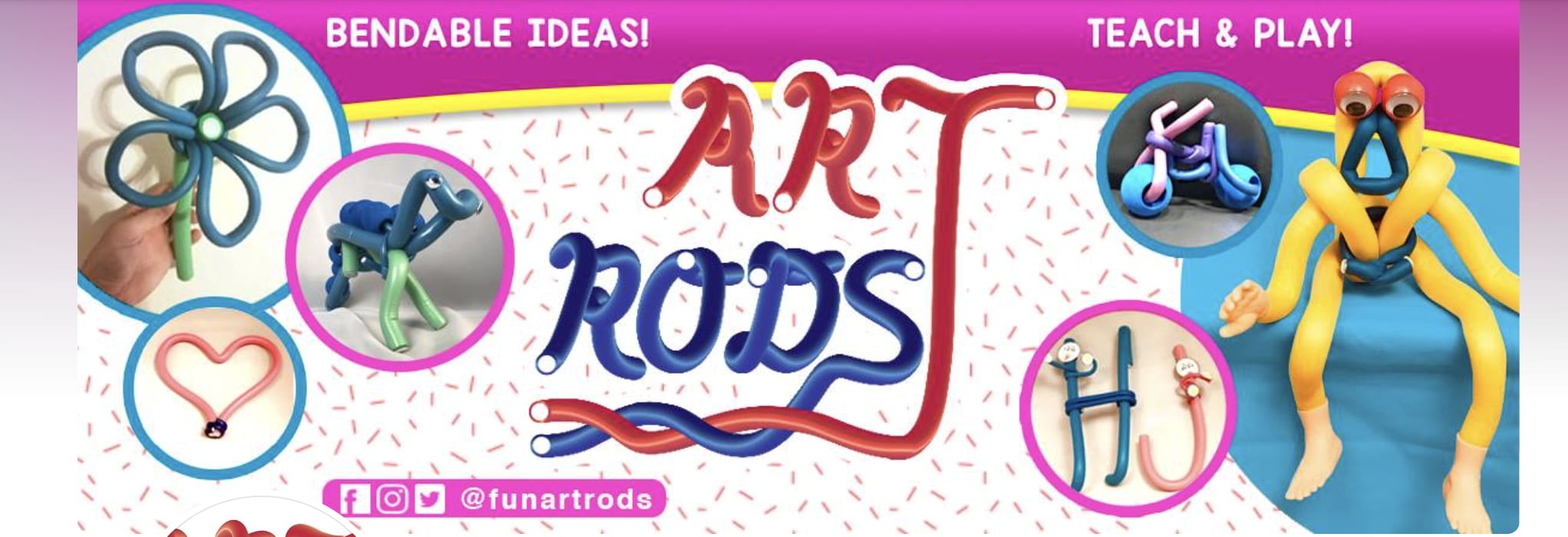
At artrods, we build tools for that kind of learning, flexible, collaborative, and made for imaginative hands. If you’re ready to bring more real play into your classroom or home, Playful learning works best with the right tools. Visit our products page to discover resources that encourage creativity, collaboration, and hands-on learning.
If you’d rather talk it through first, we’re easy to reach. Call us at +1 323-666-6723 or email [email protected], we’re happy to help you find a setup that fits your space, your kids, and your day-to-day reality.
Send a Message
Underdog Educational
Phone Number
(323) 666-6723